
Mutual Success: The ecosystem elevating Australian women’s basketball to new heights
Abbey Ellis: "I knew I wasn’t just going to college for the ‘college experience’. It was a career choice, strategic for basketball, to improve my basketball and grow as a player."

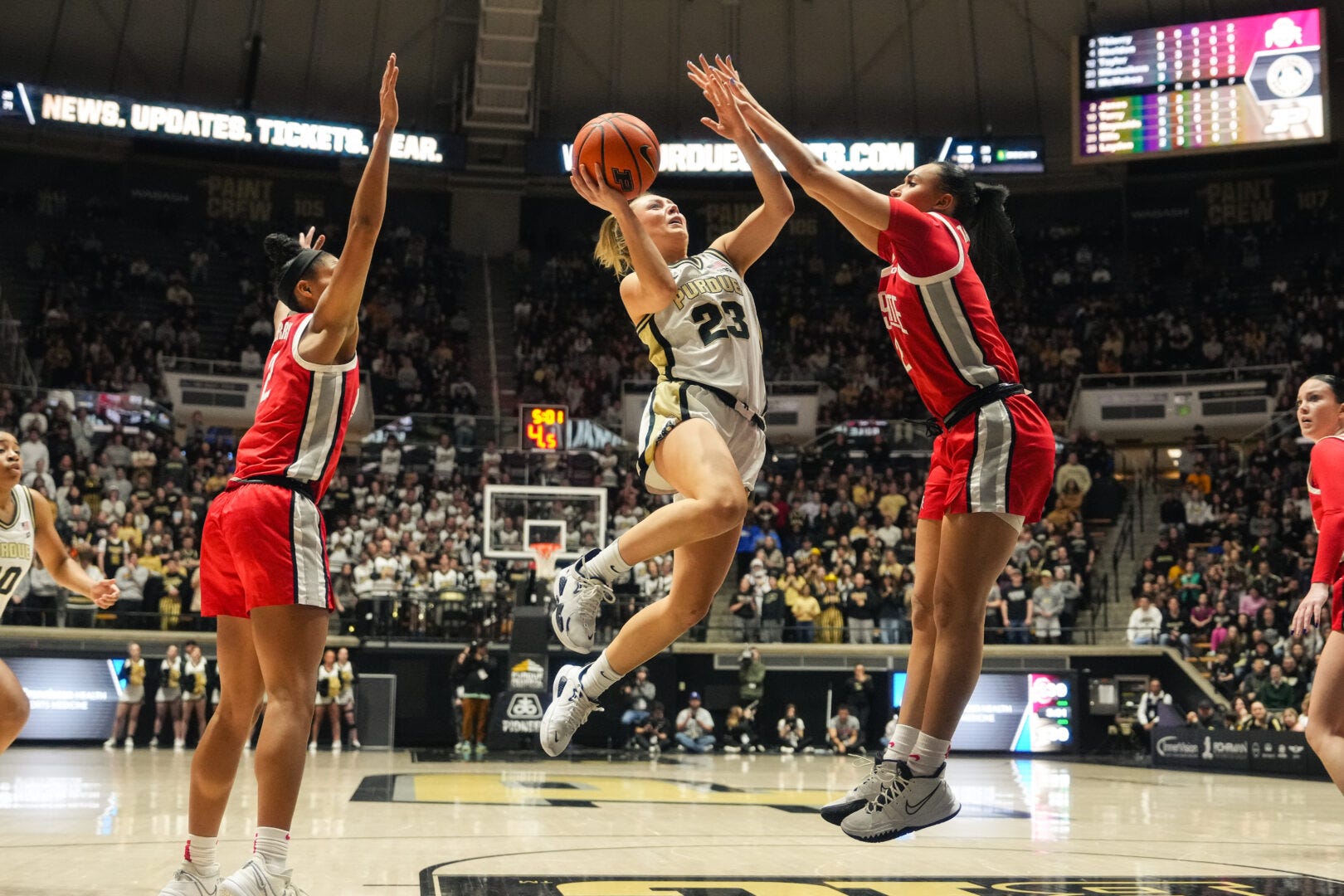
Photo credit: Purdue Athletics
Australian basketball has never been stronger.
Gone are the days of the pioneers, who are immortalised in Australian basketball mythology. Like Hydra, it feels as though every time a player retires, there are five players fighting to replacing them - a testament to the strength of junior pathways and professional leagues.
There’s no better example of this than the WNBL. Aside from our homegrown talent, some of the world’s best players have come into the league as imports in the likes of Jackie Young (accolades include two-time WNBA champion, four-time All-Star) and Jordin Canada (two-time All-Defensive, two-time WNBA steals leader), among others.
Bringing top-tier international talent down under elevates the competition, and improves the quality of our own players. Much like my favourite economic theory, this trickles down to the NBL1 and junior pathways. These pathways are a known commodity and have been proven tenfold on the national and international stages, but we’ve also seen more female Australians on the US college basketball route. In the 2013-14 NCAAW season, we had 38 female Australians in D1 number, and in 2014-15 it was 44. A decade later, that number more than doubled, with 101 players active in the 2024-25 season.
Steph Reid graduated from Buffalo in 2018 and just led the Opals to a gold medal in the Asia Cup, but it wasn’t always the smoothest journey. After junior pathways, US college felt like Reid’s best option back in 2014, as she shared with The Pick and Roll in July.
